DDF Fellowship Summary
- DDF Project Title
Student and Alumni Network Development
- DDF Fellow Reference Number
- DDF56
- Fellow's Diaspora Country
Morocco
- Partner in The Gambia
Civil Service University Students Union
- Geographical Coverage
- Rural & Urban
- Initial Project Period
- March 2026 – June 2026
- Main Project Results
To be updated
Challenges and Opportunities
Both GASAM and CSUSU showed strong willingness to adopt formal financial structures, making future capacity-building highly viable. The CSUSU social enterprise has significant growth potential, having already sold 200 T-shirts with a target of reaching up to 3,000 students, while the Welfare Fund policy developed for GASAM can serve as a replicable model for other student associations. However, the three-month project timeline was too short to adequately implement and monitor activities involving multiple stakeholders across different countries.
Kaddijatou Jallow
DDF56
About The Project
This assignment, led by Kaddijatou Jallow, undertaken as part of the Diaspora Fellows Programme, focused on strengthening student welfare and institutional capacity within Gambian student communities while also exploring diaspora engagement for national development. The project facilitated a D243,705 grant to the Gambia Students’ Association in Morocco (GASAM) to support its student loan scheme and establish a new D62,900 Welfare Fund, which is expected to benefit an estimated 74 students. Notably, GASAM recovered approximately 90% of previously disbursed loans, securing at least D180,800 for future lending, and produced a formal policy document to guide governance of the Welfare Fund. Concurrently, the project coordinated support for the Civil Society University Students’ Union (CSUSU) in The Gambia to launch a branded T-shirt social enterprise, with 200 shirts sold to date and a target of reaching up to 3,000 students. Profits from the enterprise will sustain the Union’s administrative activities, and a two-tier oversight structure has been established to ensure accountability. Additionally, research was initiated to assess how Gambian alumni trained in Germany could contribute to national development; while no formal network currently exists, strong interest among alumni has been identified as a promising opportunity. The project was implemented in partnership with GK Partners, the International Organization for Migration, and the Government of Switzerland, among others. However, challenges included the incomplete formalisation of the alumni network, approximately 10% of loans remaining unrecovered, D50,000 of the total D600,000 grant unspent, and the three-month timeline proving insufficient for comprehensive implementation and monitoring. Going forward, recommendations include consolidating the new governance structures at GASAM and CSUSU, finalising the alumni network, supporting the scaling of the social enterprise, and extending project timelines for assignments involving multiple stakeholders to ensure more effective outcomes.
DDF Results and Impact
- Output 1 (GASAM, Morocco): GASAM received a D243,705 (US$3,300) grant supporting the Gambia Government scholarship for students who, despite competitive selection, often come from modest backgrounds and face serious hardship. During the reporting period, GASAM recovered about 90% of loans disbursed and will transfer at least D180,800 to the next Executive for the Loan Scheme. A D62,900 Welfare Fund was established; an estimated 74 students (21 female, 53 male) are expected to benefit.
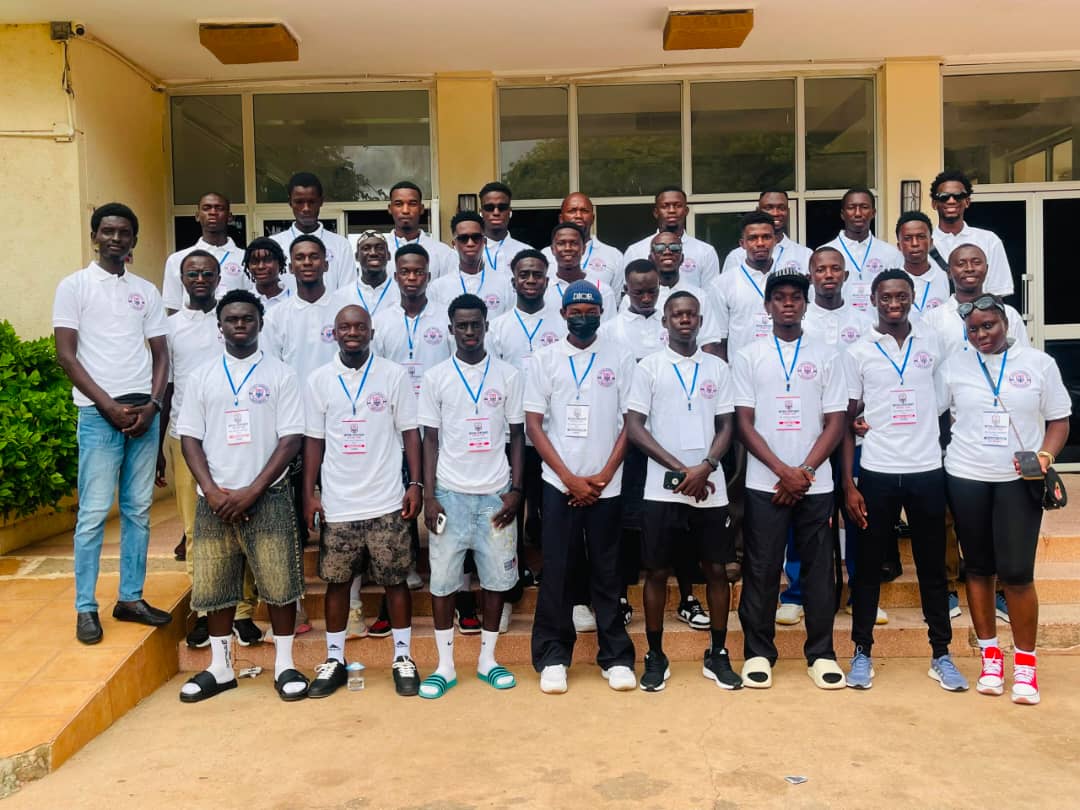
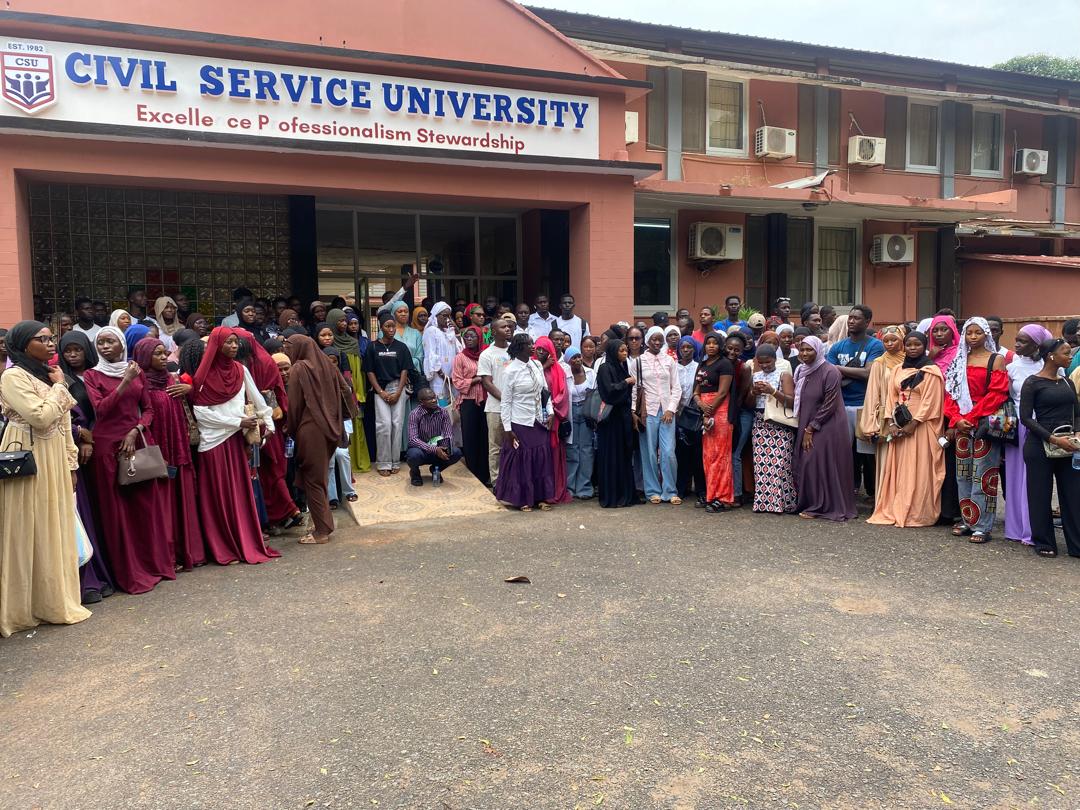
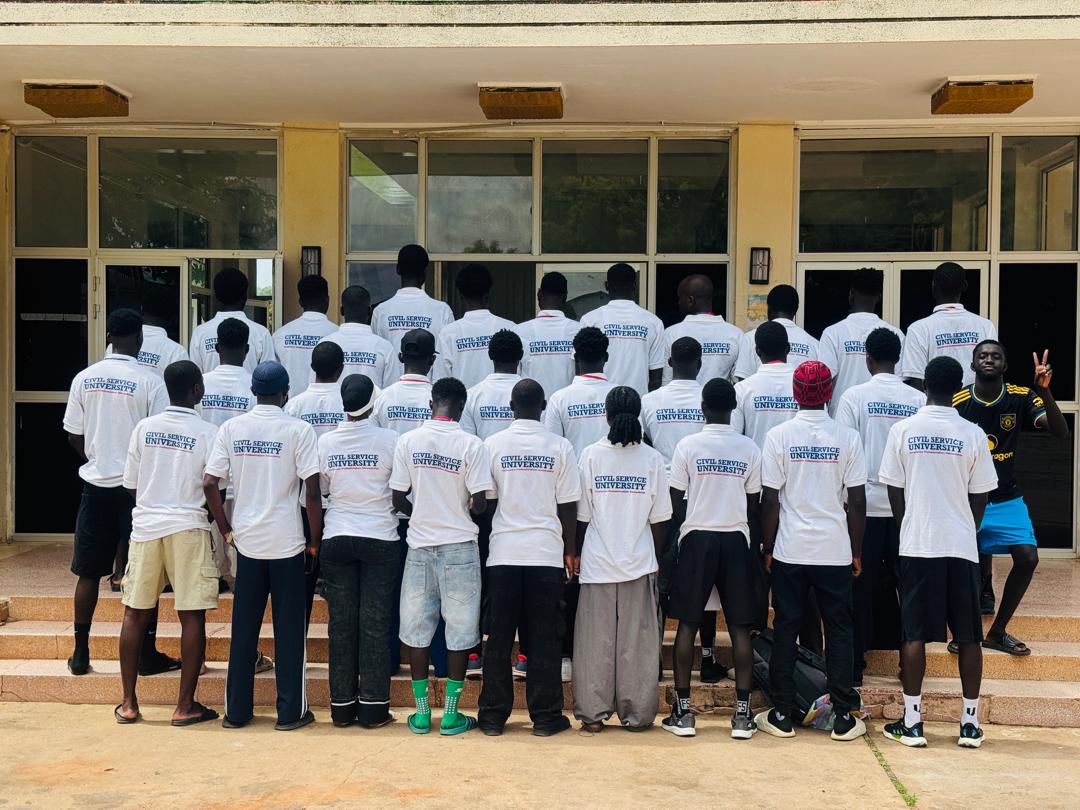
- Output 2 (CSU): GKP supported the Civil Society University Students’ Union to launch a branded T-shirt social enterprise benefiting the wider student body. 200 T-shirts sold to date (D500 staff, D450 students); CSUSU targets up to 3,000 students this year, overseen by a project committee under the Registrar’s Office. Profits generated will be used to run the Students’ Union’s administrative activities, making student life easier.
- Output 3 (German alumni): Research is ongoing on how Germany-trained alumni can contribute to national development; findings so far show no existing network, but strong alumni interest in creating on