DDF Fellowship Summary
- DDF Project Title
Prevention of Irregular Migration
- DDF Fellow Reference Number
- DDF59
- Fellow's Diaspora Country
Malta
- Partner in The Gambia
Ebrima Migrant Situation Foundation
- Geographical Coverage
- Rural & Urban
- Initial Project Period
- March 2026 – June 2026
- Main Project Results
To be updated
Challenges and Opportunities
Unemployment, limited livelihood opportunities and economic hardship remain key drivers of migration, while misinformation and high expectations of life abroad complicate efforts to change perceptions. Awareness alone is therefore insufficient without realistic alternatives.
These challenges come with significant opportunities: participants showed strong commitment to becoming EMSF Ambassadors and cascading accurate information to their communities, returnee testimonies proved the most impactful awareness tool, and strong partnerships with GK Partners, IOM, the Red Cross, the Immigration Department, YAIM Gambia and schools provide both institutional support and wide reach. Community-level dialogues have strengthened local ownership and trust, while growing demand signals clear potential to scale the initiative to more regions and sites.
Ebrima Drammeh
DDF59
About The Project
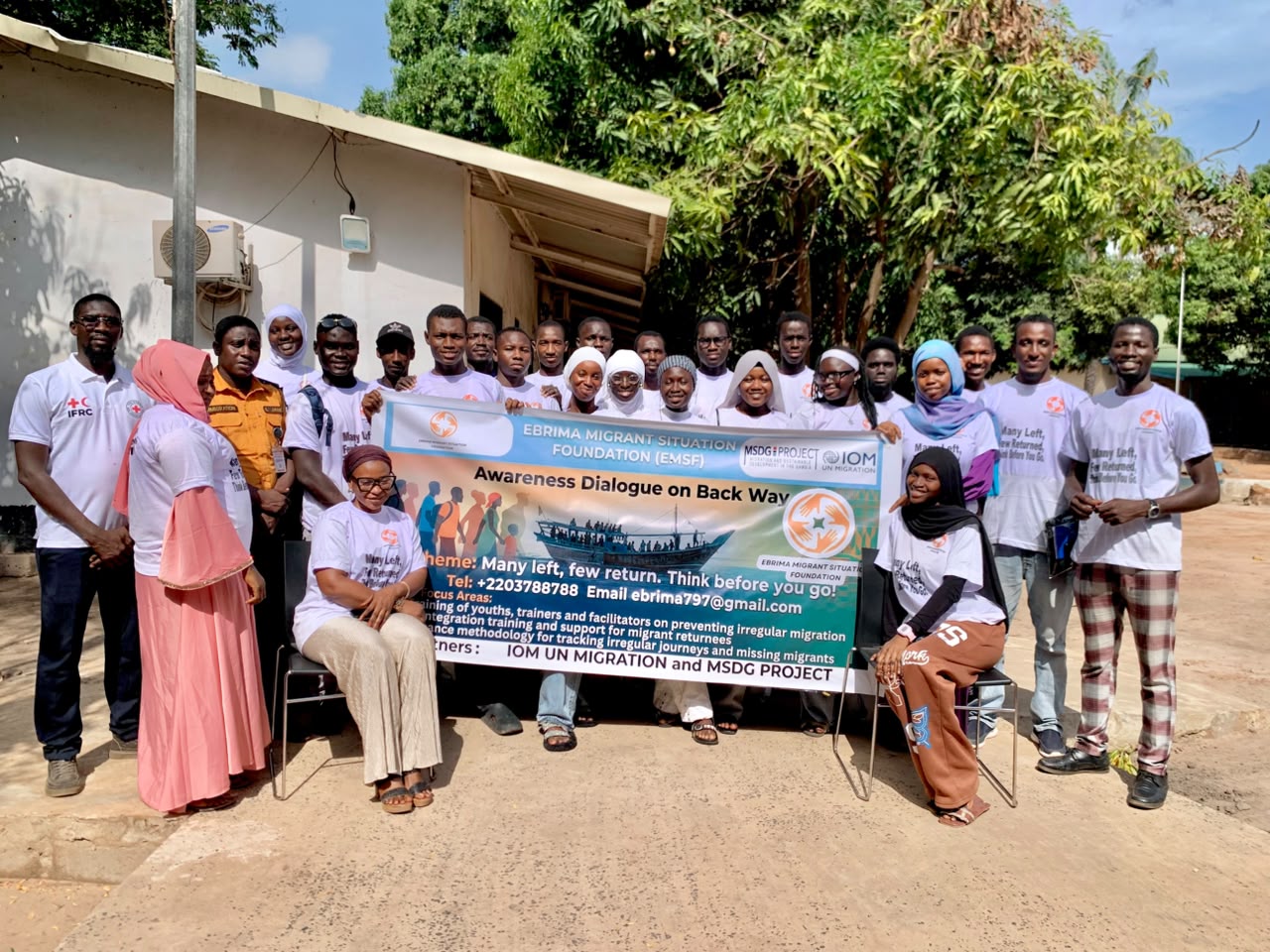
The Migration Awareness and Youth Engagement Project is a three-month pilot initiative implemented by the Ebrima Migrants Situation Foundation (EMSF) with support from GK Partners and IOM, and in collaboration with YAIM Gambia, the Red Cross, the Gambia Immigration Department and schools across the country. The project was born out of an urgent need to directly engage young people, students, community leaders and stakeholders on the realities and dangers of irregular migration, commonly known as the “backway,” under the powerful theme “Many Left, Few Returned. Think Before You Go.”
The project’s overall goal is to raise awareness, provide factual information, promote safe and regular migration pathways, and encourage community-driven solutions to the root causes of migration, including unemployment, lack of information and peer pressure. Rather than simply discouraging migration, the project focuses on equipping young people with accurate data, listening to their aspirations and concerns, and empowering them to make informed decisions about their futures.
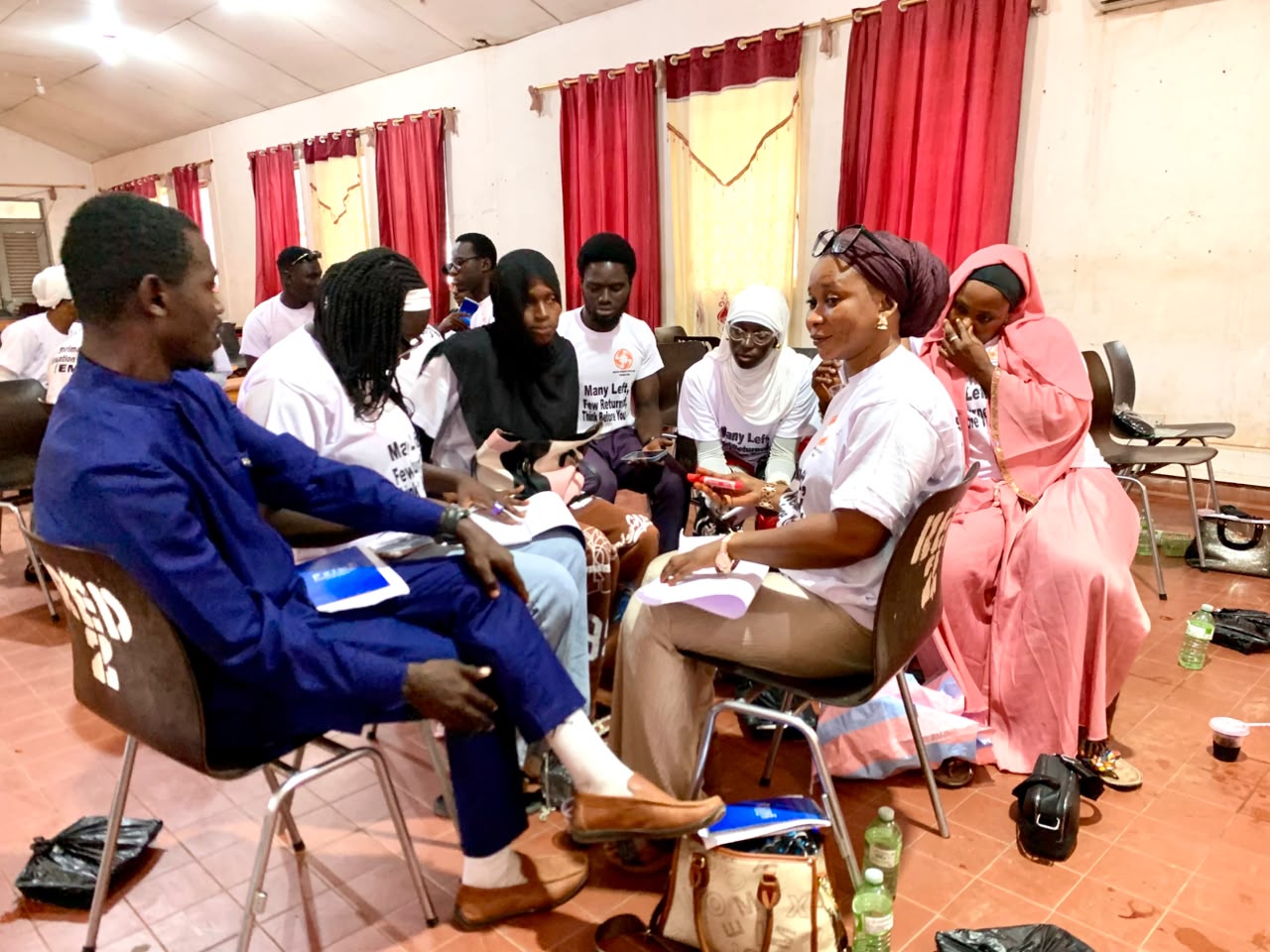
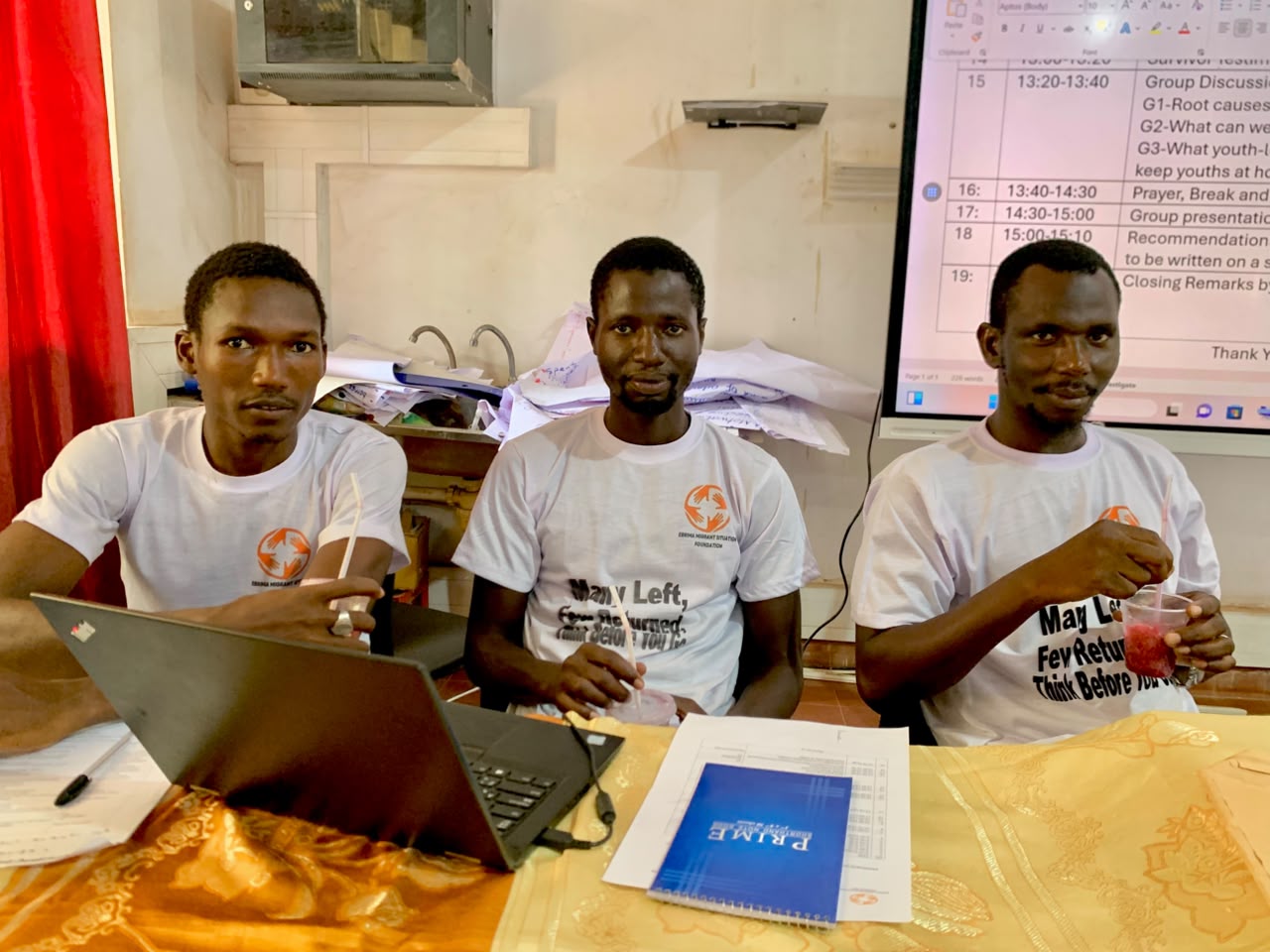
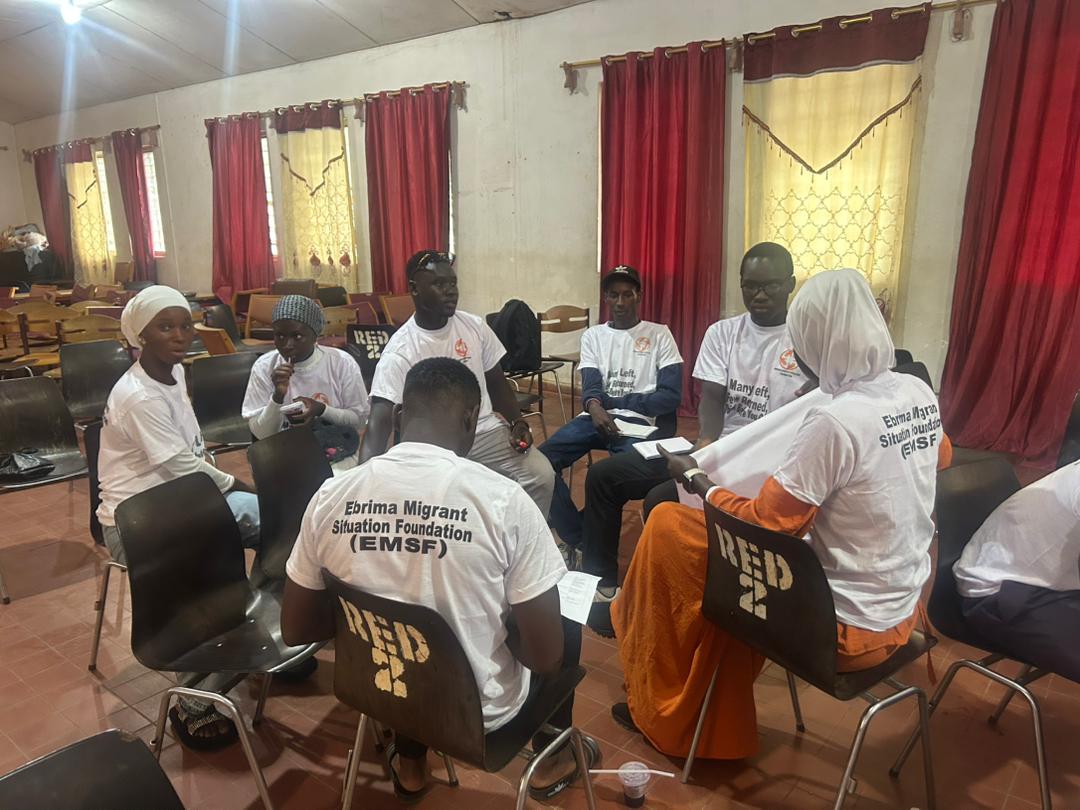
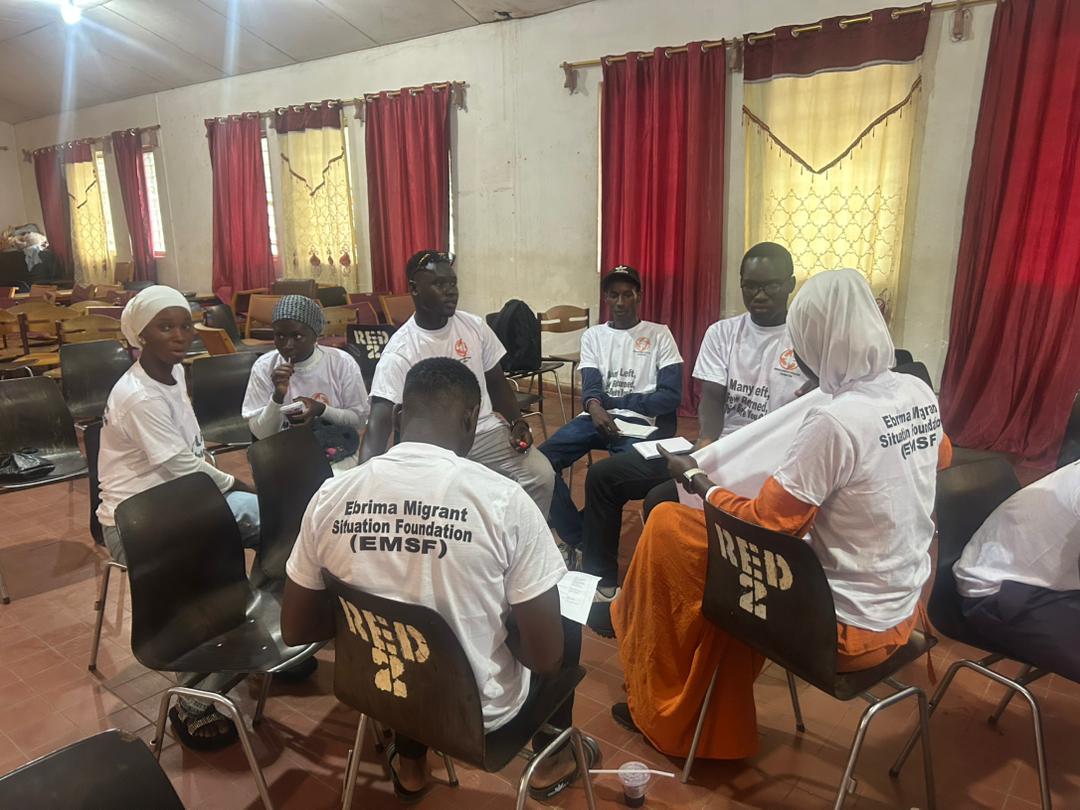
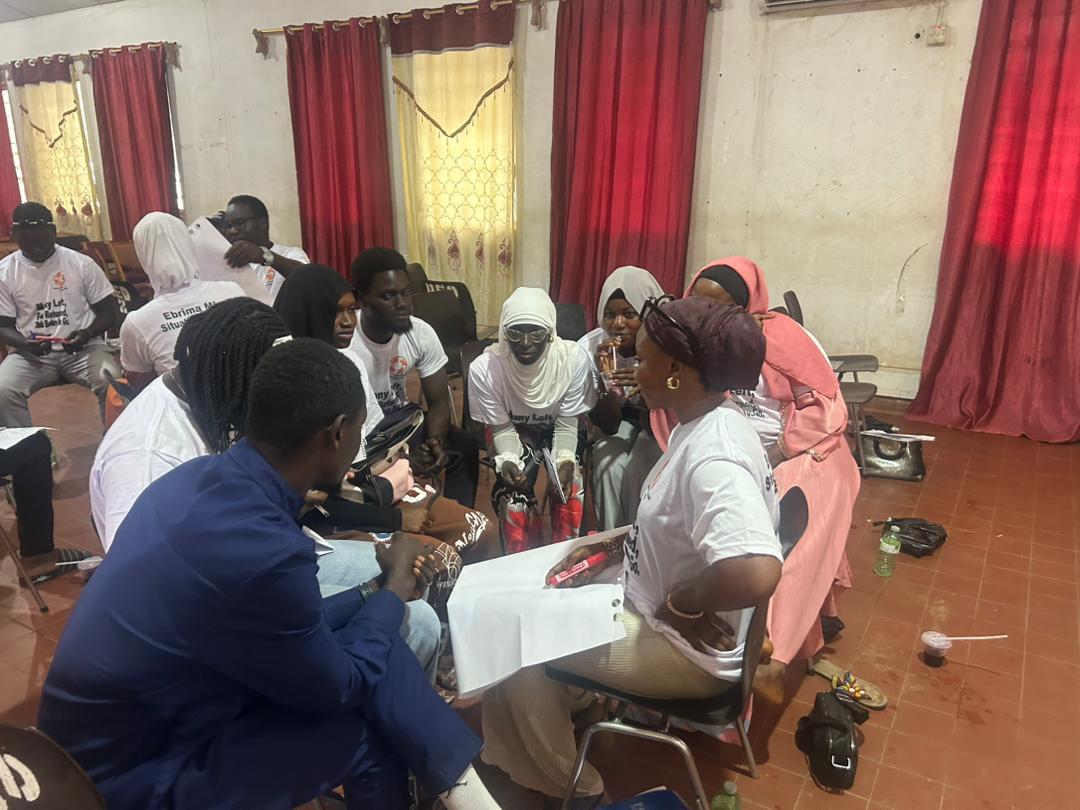
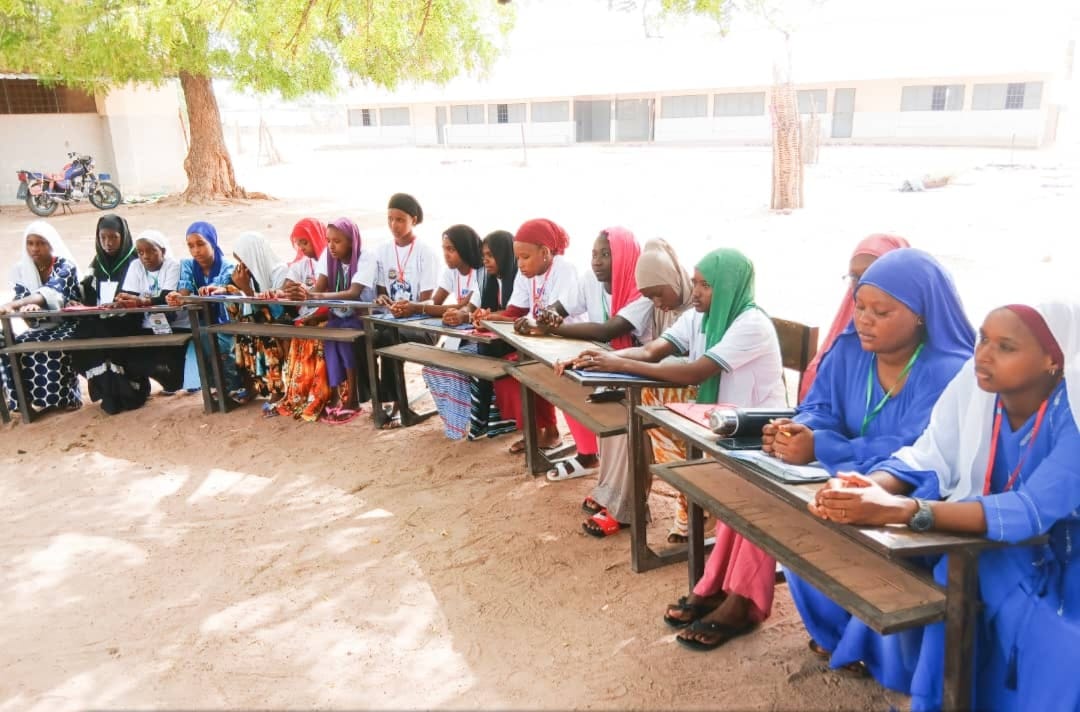
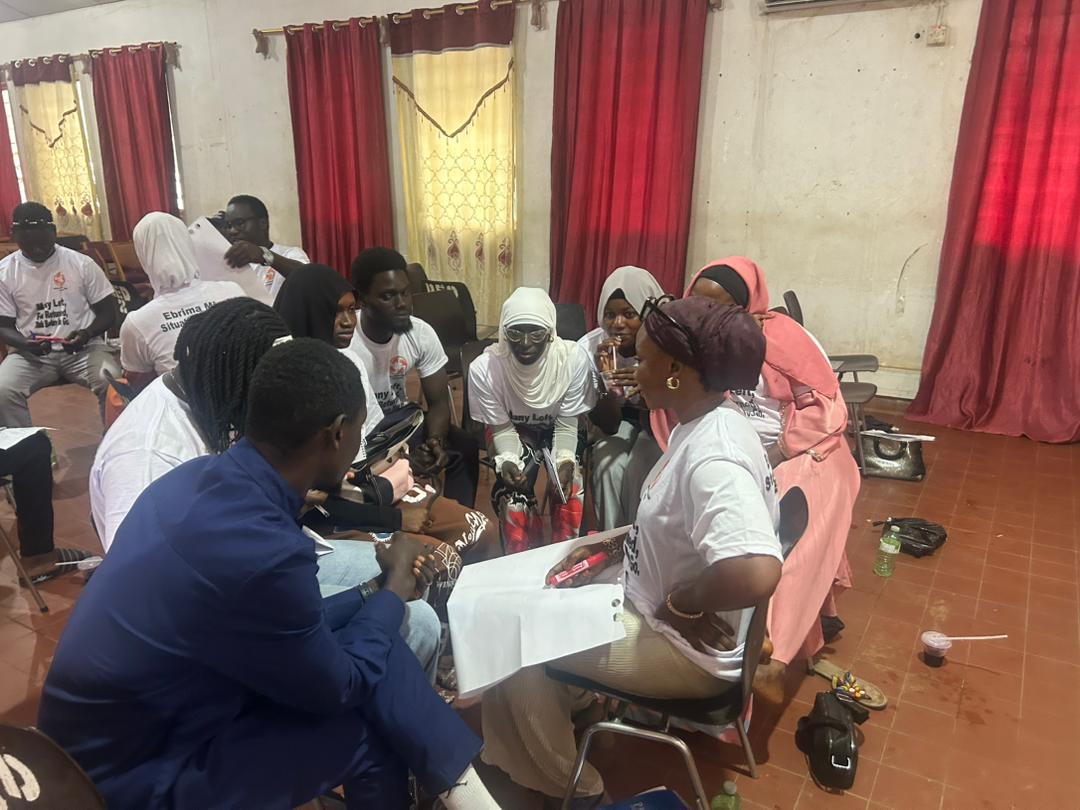
Activities are delivered through awareness dialogues held in schools, colleges and community bantabas, using participatory adult learning approaches such as interactive presentations, group discussions, plenary sessions and personal testimonies from returnees. A central feature of the project is the presentation of migration statistics compiled by EMSF, covering departures, deaths, disappearances, deportations and missing migrants, which makes the scale and human cost of irregular migration tangible for participants. The project also seeks to identify and inspire potential EMSF Ambassadors who will continue to spread awareness in their schools and communities through peer sensitisation, community talks and social media.
DDF Results and Impact
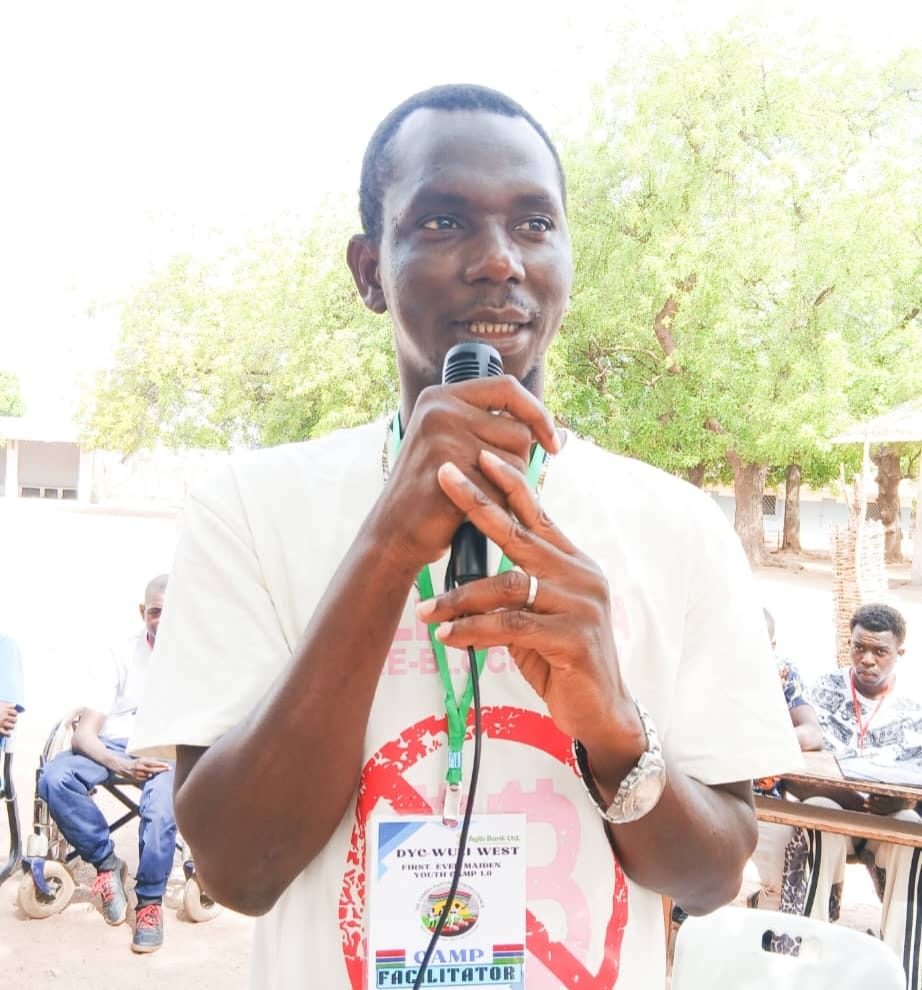
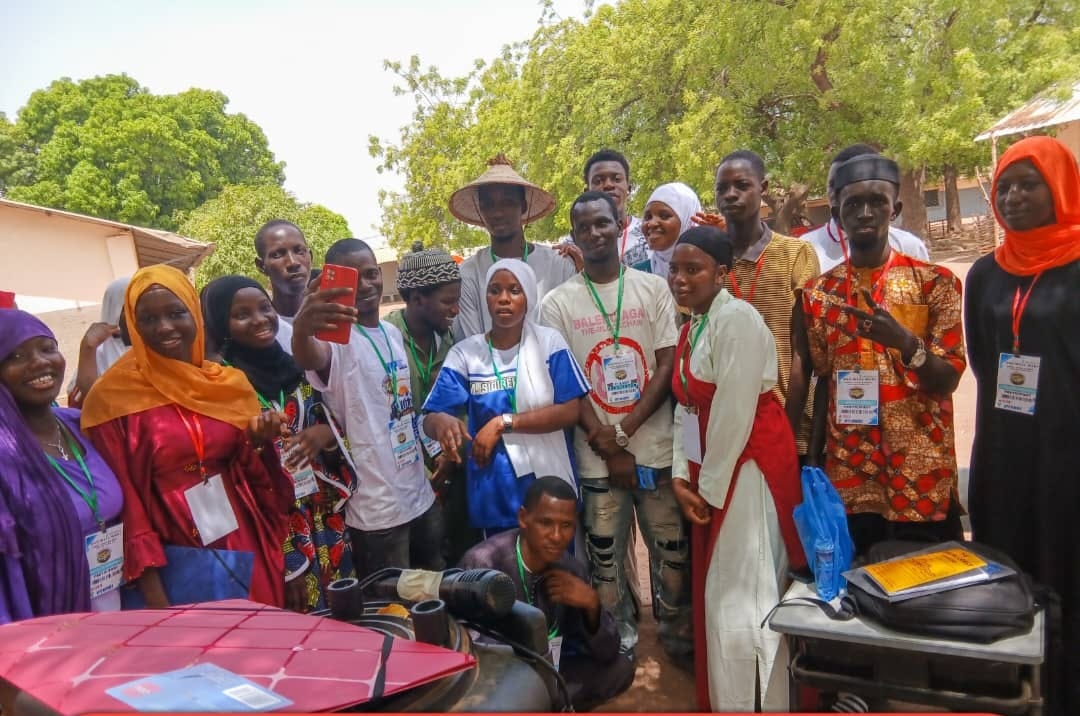
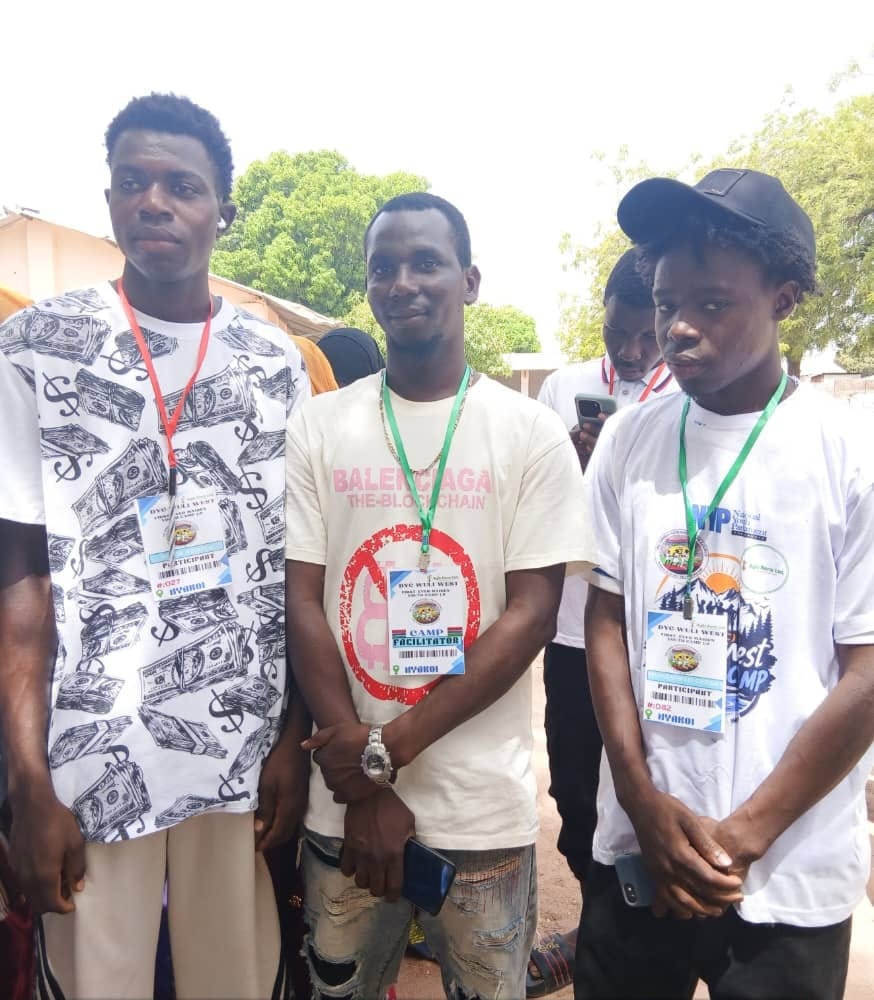
Over the course of its pilot phase, the project reached more than 260 direct participants through five major activities: the Brikama awareness dialogue, the Kombo Kerewan Upper Basic School, the two-day Wuli West and Wuli East dialogue, the Hadigala College session.
Across all these events, the presentation of migration statistics compiled by EMSF covers departures, deaths at sea and in the desert, disappearances and deportations , made the dangers of irregular migration real and tangible for participants, transforming abstract warnings into concrete evidence.
The use of participatory methods, including group work, plenary discussions, case studies and personal testimonies from returnees, ensured that participants were not passive listeners but active contributors, which improved both understanding and retention of key messages. A significant outcome was the emergence of peer educator networks: participants pledged to share what they learned with classmates, families and community members, and EMSF created WhatsApp groups to provide structure for follow-up and cascade messaging.
Institutional engagement also grew, with school principals, teacher coordinators and dignitaries from the Gambia Immigration Department, the Red Cross and student unions publicly endorsing the initiative and reinforcing its credibility. Feedback from participants showed that many had reconsidered their views on migration, describing the dialogues as timely and impactful and recommending that they be held regularly. Branded materials, banners and media coverage further increased the project’s visibility and standing among youth and partners.
Taken together, these results demonstrate that the project’s approach a combining factual data, expert presentations, interactive learning and real-life stories is effectively raising awareness, promoting critical thinking and mobilising young people as agents of change in the fight against irregular migration.